
The Harvard Food Pyramid is back, and it’s cooler than ever. Gone are the days of bland food guides that promote one-size-fits-all diets. This is about living your best life while still fitting into your favorite jeans. Packed with colorful imagery and scientifically-backed recommendations, the Harvard Food Pyramid offers a fresh take on nutrition that feels more like a lifestyle and less like a restriction. Let’s jump into this delicious way to eat and discover how it can transform not only meals but also health.
Understanding the Harvard Food Pyramid
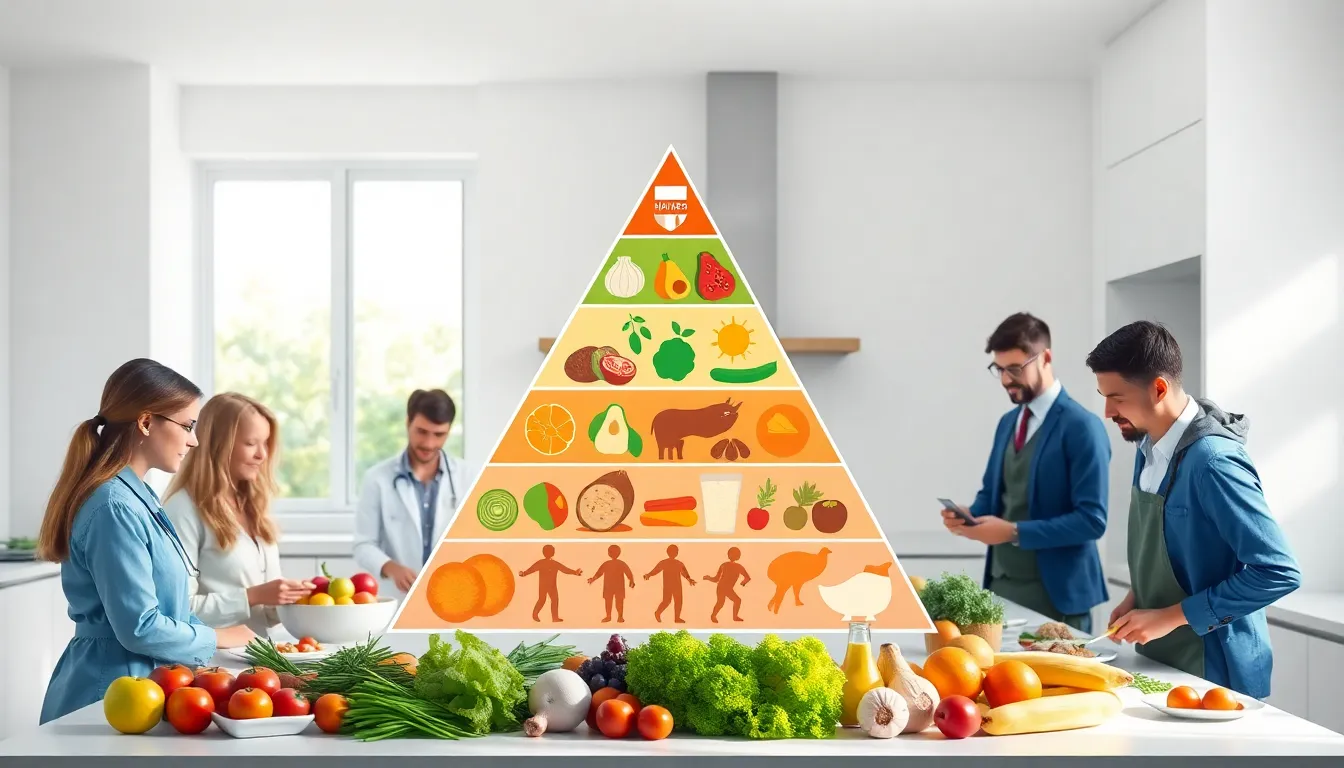
The Harvard Food Pyramid stands as a crucial evolution in nutritional guidance. Created by nutrition experts at Harvard University, it was designed to update and improve upon earlier food pyramids that have often failed to resonate with the public. Unlike its predecessors, which categorized foods in a simplistic manner, this modern version emphasizes variety and balance, giving eaters a practical roadmap for a healthier lifestyle. The pyramid provides a visual representation of the ideal diet, focusing on the types and quantities of foods to consume for optimal health outcomes.
Key Components of the Harvard Food Pyramid
At the foundation of the Harvard Food Pyramid lies a focus on whole foods. This includes:
- Vegetables and Fruits: The bulk of the diet should consist of a colorful array of vegetables and fruits, packed with vitamins and minerals.
- Whole Grains: Switching from refined grains to whole grains like quinoa and brown rice is strongly recommended as they offer more nutrients and fiber.
- Healthy Fats: Rather than avoiding fats altogether, the pyramid encourages the intake of healthy options such as nuts, seeds, and olive oil.
- Lean Proteins: Foods like fish, poultry, beans, and tofu are encouraged, whereas red meat should be limited.
- Dairy: Low-fat or non-fat dairy options like yogurt and milk are suggested, with a focus on calcium-rich choices.
- Physical Activity: This isn’t merely about what you eat: the pyramid places equal importance on regular physical activity, encouraging a balanced and active lifestyle.
Daily Recommended Servings
Understanding the recommended servings for each food group is essential for healthful eating. While individual needs vary based on age, sex, and level of activity, here’s a general guide:
- Vegetables: 2.5 to 3 cups per day to ensure adequate fiber and nutrients.
- Fruits: 1.5 to 2 cups daily to satisfy sweet cravings while providing antioxidants.
- Grains: 6 to 8 ounces, with an emphasis on whole grains.
- Proteins: 5 to 6.5 ounces of lean meats, fish, or plant-based proteins.
- Dairy: 2 to 3 cups of low-fat or fat-free options.
- Healthy Fats: Keep these as a garnish rather than a base: about 2 to 4 tablespoons of healthy oils are recommended.
Benefits of Following the Harvard Food Pyramid
Adopting the Harvard Food Pyramid into daily life can lead to numerous benefits.
- Improved Health Outcomes: A diet rich in vegetables, fruits, and whole grains is associated with lower risk of chronic diseases.
- Weight Management: With its emphasis on nutrient-dense foods, individuals typically find it easier to maintain a healthy weight.
- Enhanced Energy Levels: Balanced nutrition leads to consistent energy, making day-to-day activities more manageable.
- Cognitive Function: Certain nutrients found in fruits, vegetables, and healthy fats are vital for brain health, contributing to better focus and cognitive function.
- Increased Life Span: Research suggests that a balanced diet can enhance longevity, making sticking to this pyramid a win-win.
Common Misconceptions About the Food Pyramid
Even though its many benefits, some misconceptions persist about the Harvard Food Pyramid.
- All Fats are Bad: This is simply not true. The pyramid emphasizes healthy fats, which are crucial for overall health.
- You Have to Count Every Calorie: The guidance from Harvard encourages intuitive eating rather than stressful calorie counting.
- Carbs are the Enemy: Whole grains are essential for energy and should not be dismissed. Refined carbs are the real villains.
- It’s Too Restrictive: The pyramid promotes balance and variety, encouraging people to enjoy their food while being mindful.
Practical Tips for Incorporating the Pyramid into Your Diet
Incorporating the Harvard Food Pyramid into daily life can feel overwhelming, but it doesn’t have to be. Here are some easy tips to get started:
- Start Small: Try adding one new fruit or vegetable to each meal until it becomes habit.
- Plan Your Meals: Meal prep can help in maintaining balance: dedicate a day to plan and prep healthy meals and snacks for the week.
- Explore Whole Grains: Replace refined grains with whole grains at least a few times a week.
- Experiment with Healthy Fats: Cook with olive oil or sprinkle nuts on salads to enhance both flavor and nutrition.
- Stay Active: Incorporate consistent physical activity into routines, whether it’s a brisk walk or an upbeat dance around the kitchen.