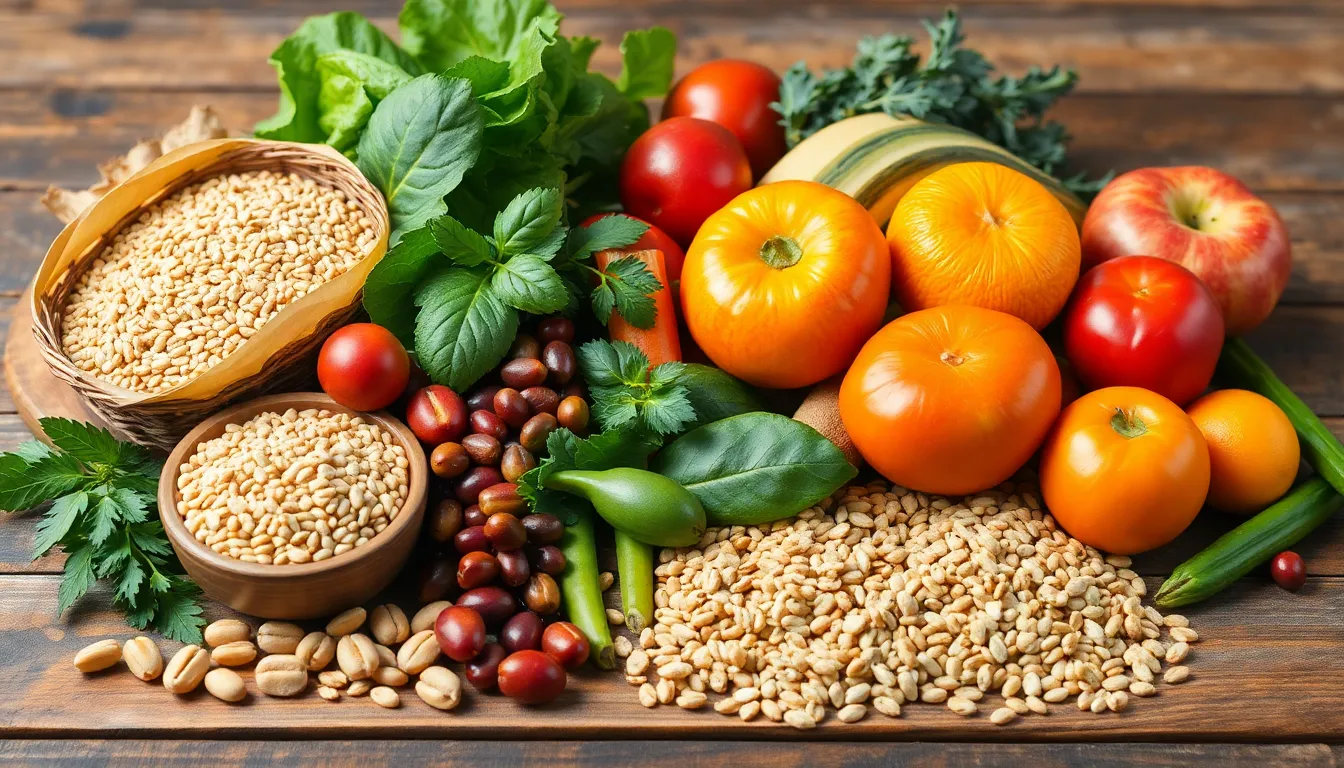
Dietary fibers might not be the star of the food world, but they’re the unsung heroes of a healthy diet. Imagine them as the loyal sidekick who quietly supports the main character—your digestive health. These plant-based wonders not only keep things moving smoothly in your gut but also help maintain a healthy weight and lower the risk of chronic diseases. Who knew that something so humble could pack such a punch?
Table of Contents
ToggleUnderstanding Dietary Fibers
Dietary fibers are essential components of plant-based foods that contribute significantly to health. These complex carbohydrates aid in various bodily functions, enhancing overall well-being.
What Are Dietary Fibers?
Dietary fibers consist of the parts of plant foods that the body cannot fully digest. They help maintain a healthy digestive system by promoting regular bowel movements and preventing constipation. Soluble fibers dissolve in water, forming a gel-like substance and slowing digestion. Insoluble fibers, on the other hand, add bulk to stool and support intestinal health. Together, these fibers play a vital role in nutrient absorption and regulating blood sugar levels.
Types of Dietary Fibers
Dietary fibers can be classified into two main types: soluble and insoluble. Soluble fibers include oats, beans, and fruits like apples and citrus. They’re beneficial for lowering cholesterol and stabilizing blood sugar. Insoluble fibers are found in whole grains, nuts, and vegetables like carrots and celery. These fibers aid in digestion and help prevent gastrointestinal disorders. A balanced intake of both types ensures optimal health benefits and enhances dietary diversity.
Health Benefits of Dietary Fibers
Dietary fibers provide numerous health benefits, playing a vital role in overall well-being. Incorporating them into a daily diet improves various health aspects.
Digestive Health
Digestive health thrives with adequate dietary fiber intake. Regular consumption promotes bowel regularity, reducing the risk of constipation. Soluble fiber, found in oats and fruits, can soften stools, enhancing their passage through the digestive tract. Insoluble fiber, present in whole grains and vegetables, adds bulk to stool, aiding digestive processes. Additionally, higher fiber diets lower the risk of developing gastrointestinal disorders, such as diverticulitis.
Heart Health
Heart health improves significantly with dietary fiber consumption. Studies indicate that soluble fibers lower cholesterol levels and stabilize blood sugar, contributing to cardiovascular disease prevention. Foods rich in fiber, such as beans and lentils, can help maintain healthy blood pressure levels as well. Risk reduction for heart disease is closely linked to a fiber-rich diet, making it an essential component of a heart-healthy lifestyle. Regular inclusion of fiber in meals supports overall heart wellness.
Weight Management
Weight management benefits from dietary fiber’s unique properties. Foods high in fiber tend to promote satiety, reducing overall calorie intake. Increased fullness leads to fewer cravings and better portion control at meals. Lean proteins and fibrous vegetables complement each other well, creating satisfying meal options. Incorporating high-fiber foods into snacks can also curb hunger throughout the day, supporting weight management goals. Such strategies make fibers an asset for maintaining a healthy weight.
Sources of Dietary Fibers
Dietary fibers come from various plant-based foods, providing essential nutrients for health. Incorporating these sources into meals ensures a well-rounded diet.
Soluble Fiber Sources
Oats serve as a primary source of soluble fiber, aiding in cholesterol reduction. Beans, including kidney and black beans, also contribute significantly to fiber intake. Fruits like apples and pears contain pectin, which enhances digestive health. Citrus fruits like oranges provide additional soluble fiber benefits. Barley, another excellent source, contributes to heart health and blood sugar regulation. Including these foods in daily diets helps maximize fiber consumption.
Insoluble Fiber Sources
Whole grains, such as brown rice and whole wheat products, are rich in insoluble fiber, promoting regular bowel movements. Nuts like almonds and walnuts provide fiber along with healthy fats. Vegetables, particularly leafy greens and carrots, offer substantial amounts of insoluble fiber. Potatoes and sweet potatoes, with skins intact, enhance fiber intake as well. Additionally, seeds such as flaxseeds and chia seeds contribute to gastrointestinal health. Integrating these sources into meals supports digestive wellness.
Dietary Recommendations
Dietary fibers contribute significantly to health, so maintaining adequate intake is essential. Recognizing daily guidelines helps optimize fiber consumption.
Daily Intake Guidelines
Adults typically require 25 to 30 grams of dietary fiber each day. Men and women under 50 should aim for 38 grams and 25 grams, respectively. After age 50, recommendations decrease to 30 grams for men and 21 grams for women. This intake ensures proper digestive function and reduces risks for chronic diseases. Meeting fiber goals can be achieved through a balanced diet rich in fruits, vegetables, legumes, and whole grains.
Tips for Increasing Fiber Intake
Incorporating fiber-rich foods can happen effortlessly. Start mornings with oatmeal or whole-grain cereals for an easy boost. Snacking on fruits, such as apples or berries, offers quick fiber sources. Choosing whole-grain options instead of refined grains enhances fiber consumption in meals. Adding legumes like beans and lentils to soups or salads increases fiber intake significantly. Gradually increasing fiber ensures the digestive system adjusts smoothly. Keeping hydrated also supports this increase, promoting overall digestion.
Dietary fibers are a vital component of a healthy diet that shouldn’t be overlooked. Their numerous health benefits extend beyond just digestive health, impacting heart health and weight management as well. By incorporating a variety of fiber-rich foods into daily meals, individuals can enhance their overall well-being and reduce the risk of chronic diseases.
With the right balance of soluble and insoluble fibers, it’s possible to support digestive function and maintain a healthy lifestyle. Prioritizing fiber intake is a simple yet effective way to promote long-term health and vitality. Embracing these plant-based nutrients is a step toward a more nutritious and fulfilling diet.